Why is it important to instill life-deep learning in our students?
The 6Cs of global competencies are character, citizenship, collaboration, communication, creativity and critical thinking. These are guiding principles for teachers who are change makers that impact students in our day-to-day teaching. However, the teaching and learning process is a complex phenomenon. How can we create meaningful learning experiences to equip our students with these competencies?
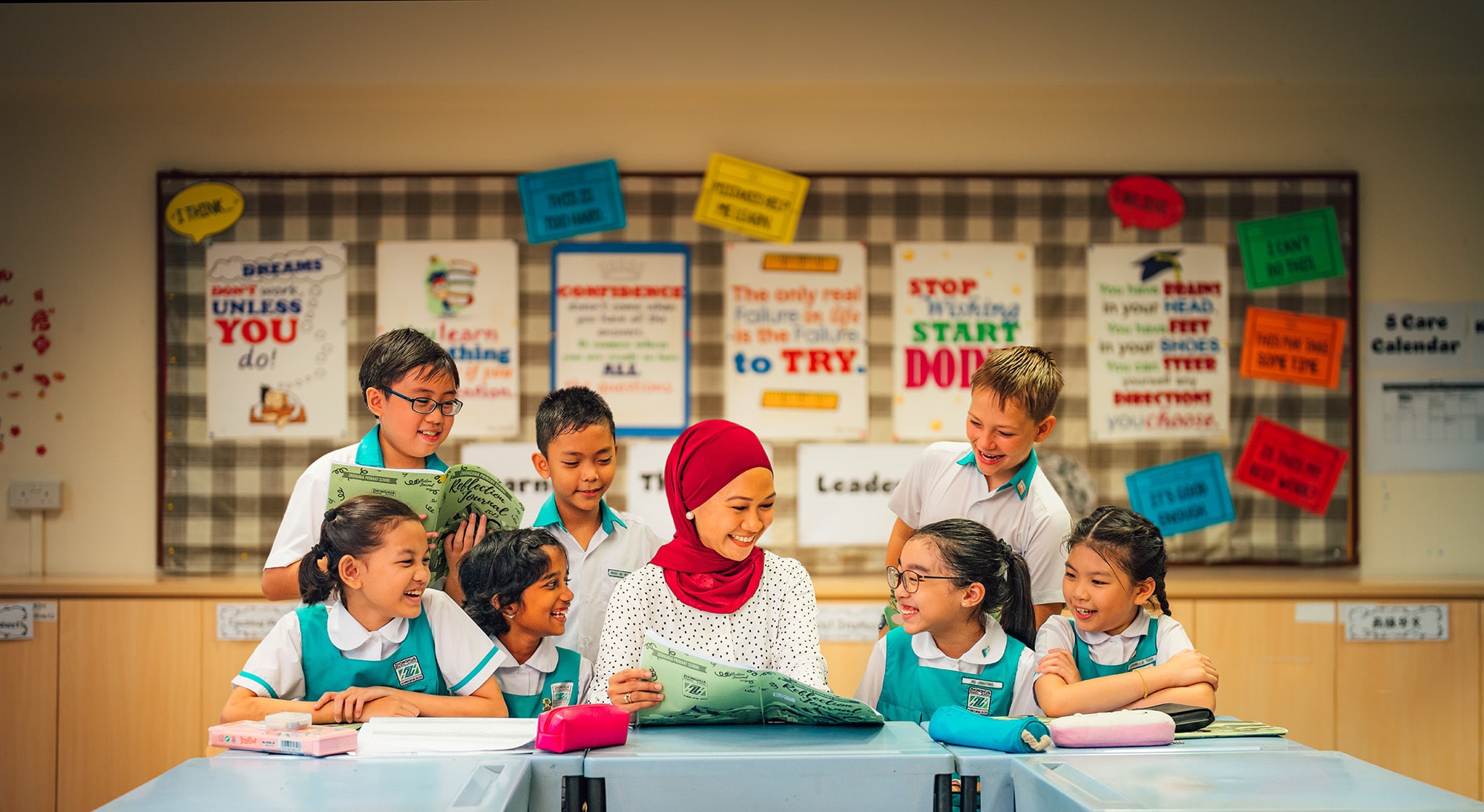
The classroom is the environment and space where we engage our students; we need to listen to and understand our students to design lessons that would be interesting, meaningful and relatable to them. We should build a rapport with students to create a conducive environment and help them to find joy in learning. We can acknowledge their efforts and celebrate their successes to encourage them to take ownership of their own learning.
How can we create an engaging life-deep learning experience?
Engage them to dive deeper, develop flexibility in thinking and take a healthy amount of risk. Programmes such as problem-based learning, inquiry-based learning, interdisciplinary learning, creative problem solving, design thinking and computational thinking have the potential to invite our students to learn deeper. Teachers can integrate thinking tools such as “see, think, wonder” into their lessons to not only make thinking visible but also promote thinking as a way of life.
Another method to build knowledge, skills and self-confidence is to connect learning to “real-world” examples, such as finding connections with and between the learner, their family, and their communities. This helps students to deepen their connections with others while engaging in meaningful activities. Teachers are no longer in front, but rather beside them guiding them in the learning process. With the advances in technology, we have many tools to excite our students, encourage independent learning and collaboration and increase mentorship by teachers, peers and the larger community.
We can consider research-based teaching methods such as:
- using multiple and varied representatives of concepts and tasks such as diagrams, mathematical representations, simulations, multi-modal representations;
- encouraging elaboration, questioning, reasoning and communication;
- engaging learners in challenging tasks with opportunities to reflect on their own learning;
- priming student motivation by connecting topics to students’ personal lives and interest, engaging students in collaborative problem solving;
- using formative assessment with clear learning intentions and success criteria, monitoring and provide feedback and include self and peer assessment
(National Research Council, 2012. Education for Life and Work: Developing transferable Knowledge and Skills in the 21st Century).
Teachers should create learning driven by curiosity and creativity through learning experiences that are meaningful, authentic, relevant and promote metacognition. Teach students to be problem designers and to pose problems, instead of just solving problems. Believe that our students want to learn and that they can learn. Together we can learn and dive deeper in our quest for skills, knowledge and values that could make a difference to our lives and those around us.