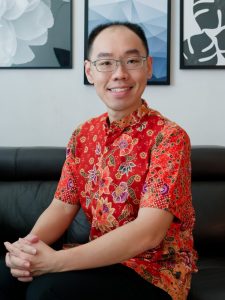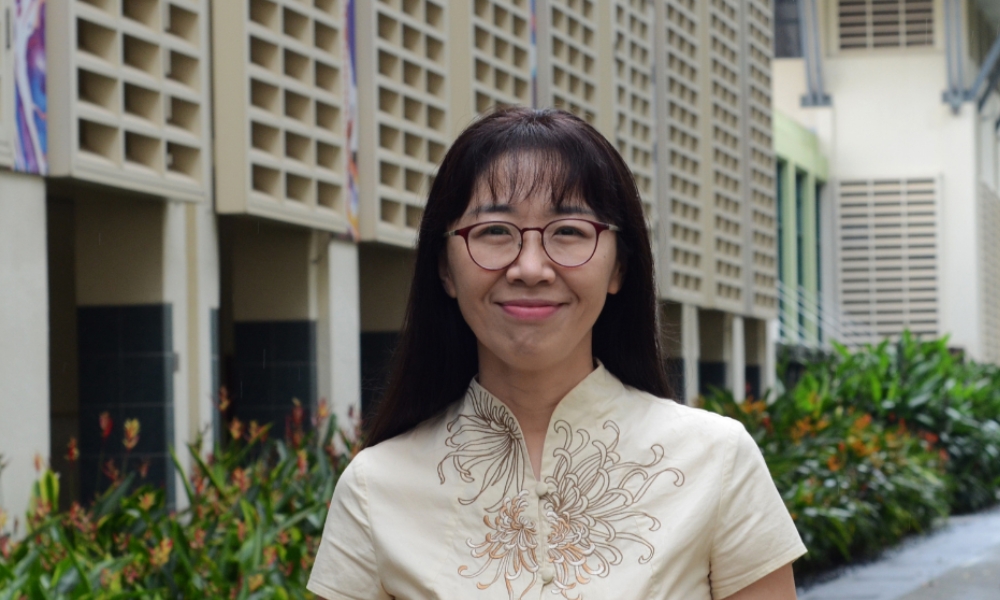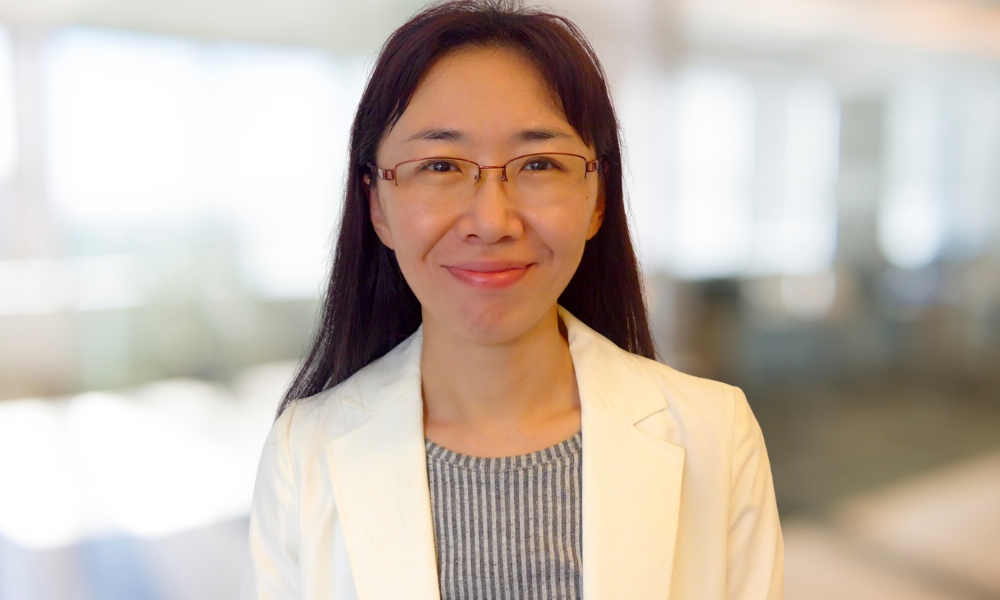
Ms Hairunisa D/O Syed Ibrahim, Teacher, CHIJ (Kellock)
Fitting the Pieces: DI in Singapore’s Classrooms
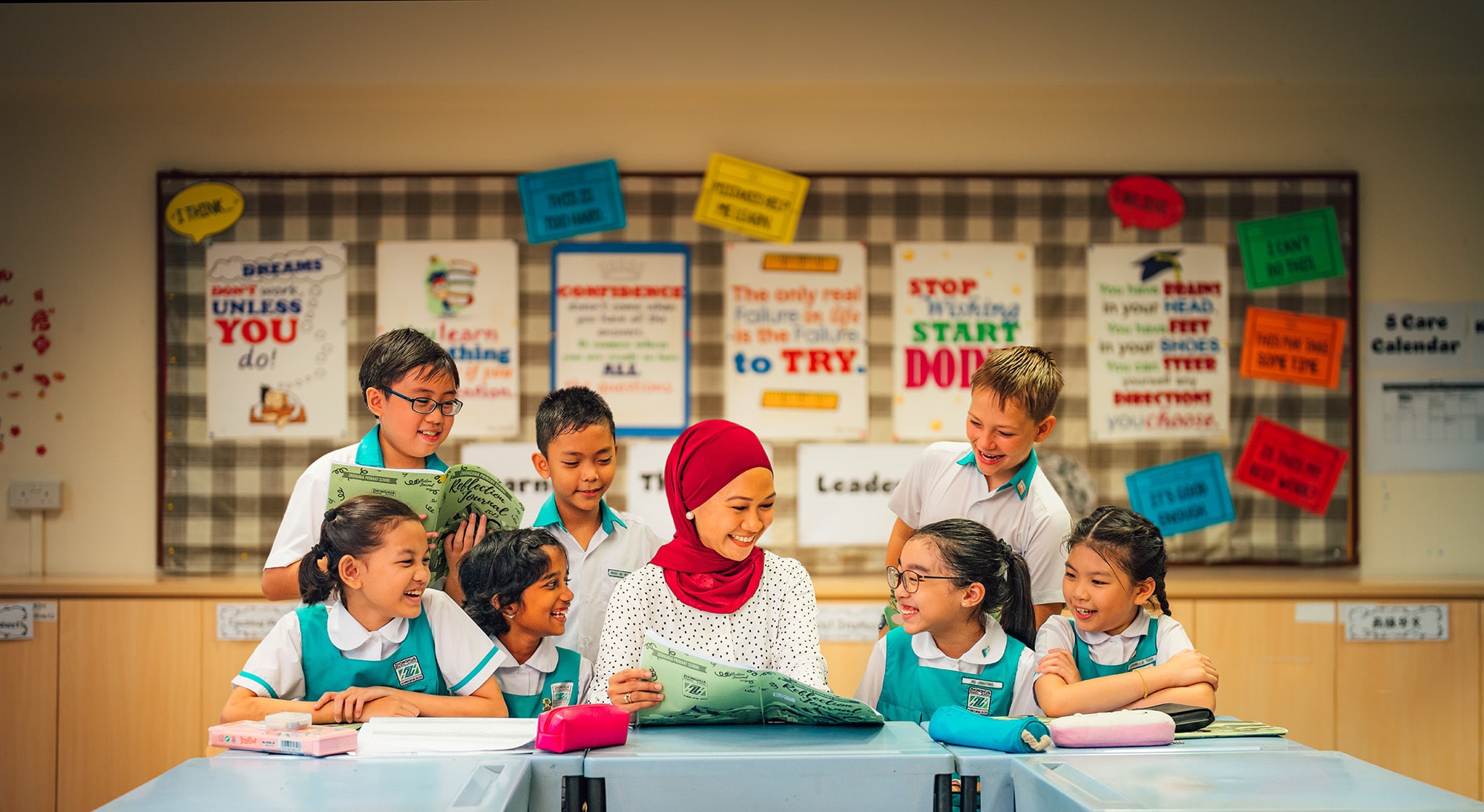
Singapore’s classrooms are unique – where else would we find nearly 40 students in a room, each with diverse learning needs, yet working within a structured system that values flexibility? With large class sizes, a wide range of abilities and a culture of inclusivity, I have always believed that DI is not just beneficial – it is essential.
Singapore’s students come from different backgrounds, with varying academic strengths, language proficiencies and cultural experiences. It’s a bit like a classroom full of different puzzle pieces that, when put together, make the bigger picture even more exciting. For DI to work, it must address the unique needs of each student – no two pieces are exactly the same.
Making DI Work in Singapore
Effective DI in Singapore balances structure, flexibility, peer collaboration and technology to support diverse learners. A structured yet flexible seating approach fosters both collaboration and stability. While students benefit from engaging with different peers, assigned seating remains crucial for order and peer learning. Flexible seating also allows students who need closer teacher support to be positioned accordingly.
Mixed ability grouping further enhances DI by ensuring students of varying strengths work together. Those who grasp concepts quickly deepen their understanding by explaining ideas to peers, while others receive support in a natural and encouraging setting. This approach not only enhances academic learning but also nurtures interpersonal skills, fostering a classroom environment where students actively support one another.
Classroom setup and inclusivity are key. Seating arrangements should ensure every student feels valued, regardless of background or ability. Group discussions and projects help students express ideas, challenge assumptions and build confidence. In Singapore’s multicultural classrooms, these interactions foster a supportive and inclusive environment – where students teach, learn and grow together!
Customizing learning tasks is crucial in Singapore’s classrooms, as a one-size-fits-all approach does not effectively meet the diverse needs of students. Tiered assignments help students engage with the same content at different levels. For example, in a Primary 5 Social Studies lesson on the Physical Environment of Southeast Asia, students may demonstrate their understanding in different ways – some might create an infographic on river features, others may analyse how rivers impact human settlements and economies, while a few may engage in a debate on river conservation. This ensures that all students are challenged and engaged, allowing them to express their learning in ways that align with their strengths.
Technology plays a key role in DI. Digital tools like self-paced quizzes and interactive platforms allow students to learn at their own pace, giving teachers real-time insights into progress. In Singapore’s classrooms, with large class sizes and diverse needs, this ensures targeted support and eases the teacher’s workload – because even superheroes need a little help now and then!
Towards A More Inclusive and Engaging Future
Ultimately, DI in Singapore is about providing multiple access points to learning, ensuring every student can succeed within our structured yet adaptable system. By balancing structure with flexibility, fostering peer learning and integrating technology, we can create an inclusive and engaging learning environment that meets the diverse needs of our students. And who knows? We just might discover a few more puzzle pieces that fit perfectly together.